Multi Energy Dispatch Optimiser (MEDO)
MEDO (Multi Energy Dispatch Optimiser) is a flexible optimization engine, built by the Thermochemical Power Group at the University of Genova, that transforms complex energy system modelling into a repeatable, auditable process, particularly suitable for Energy Management and Market Dispatching strategies. Designed for engineers, asset managers, and energy traders, the software automates the mathematical formulation of multi-energy-vector systems (e.g., electricity, heat, H2, NH3, traditional fossil fuels). Capturing off-design performance, interconnections, and operational constraints. MEDO optimizes time-varying problems; the time step can be set arbitrarily, and the software automatically adjusts the energy and power balances. The software’s internal architecture uses Mixed Integer Linear Programming (MILP) formulation, making it highly robust and reliable for optimisation problems. The MILP formulation enables single assets, microgrids and multi-energy-vectors systems to be evaluated using the same framework. MEDO uses Piecewise Linearisation, Big-M, and rolling-horizon methods to handle the nonlinearities in modelled systems. These methods keep the problem within the linear domain while accounting for the system’s nonlinear behaviour. The tool structure has a modular structure that allows users to integrate new modules.
MEDO represents the updated and advanced evolution of W-ECoMP, the thermo-economic modelling and optimisation tool previously developed by the Thermochemical Power Group at the University of Genova [1-3]. MEDO extends the original framework to address the increasing complexity of modern multi-energy systems. The updated tool introduces a MILP-based optimisation approach, enabling more flexible and computationally efficient energy dispatch strategies while explicitly accounting for operational constraints, energy-vector interactions, and time-dependent market conditions.
Projects
SINNOGENES – Storage INNOvations for Green ENErgy Systems
(Horizon Europe – GA 101096992, 2023 – 2026, https://sinnogenes.eu/)
EVELIXIA – Smart Grid-Efficient Interactive Buildings
(Horizon Europe – GA 101123238, 2023 – 2027, https://www.evelixia-project.eu/)
POSEIDON (Photo-driven Optimal Seawater Electrolysis for energy-IslanDs OperatioN)
(PRIN 2022 PNRR – P2022ER7KM, 2023 – 2025, https://poseidon.prin.unige.it/)
I-UPS – High temperature heat pump towards industrial systems decarbonization
(Horizon Europe – GA 101147078, 2024 – 2027, https://i-ups.eu/project)
USES4HEAT – Underground Large Scale Seasonal Energy Storage for Decarbonized and Reliable Heat
(Horizon Europe – GA 101136136, 2024 – 2027, https://uses4heat.eu/)
Publications
[1] “Time-dependent optimization of a large hydrogen generation plant using ‘spilled’ water at Itaipu14 GW hydraulic plant“
Rivarolo M., Bogarin J., Magistri L., Massardo A. F
International Journal of Hydrogen Energy, 2012 (37), 5434-5443.
[2] “Thermo-economic optimization of the impact of renewable generators on poly-generation smart-grids including hot thermal storage”
Rivarolo M., Greco A., Massardo A. F.
Energy Conversion and Management, 2013 (65), 75-83.
[3] “Feasibility study of methanol production from different renewable sources and thermo-economic analysis”
Rivarolo M., Bellotti D., Magistri L., Massardo A. F.
International Journal of Hydrogen Energy, 41 (2016), 2105-2116
[4] “Large size heat pumps advanced cost functions introducing the impact of design COP on capital costs ”
Vannoni A., Sorce A., Traverso A., Massardo A.F.
Energy, 2023 (284)
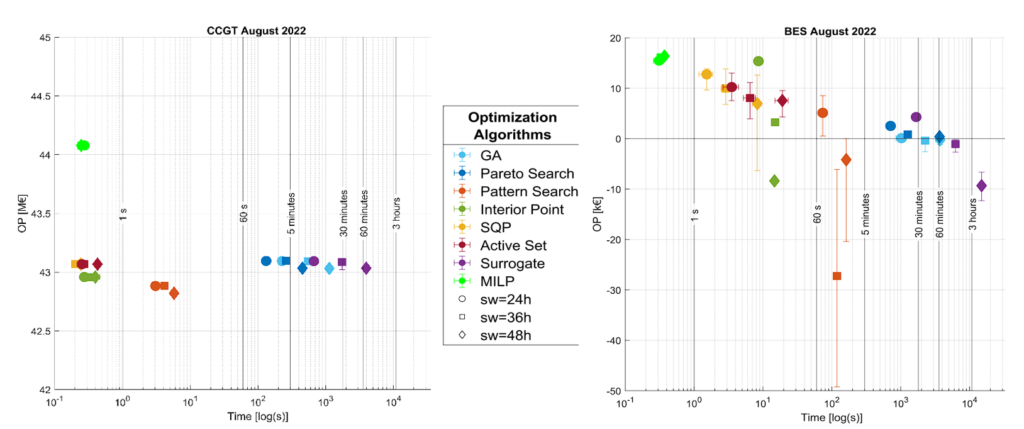
[5] “Best Practices for Electricity Generators and Energy Storage Optimal Dispatch Problems”
Vasylyev A., Vannoni A., Sorce A.
Journal of Engineering for Gas Turbines and Power, 2024 (284)
[6] “Integrated energy and ancillary services optimized management and risk analysis within a pay-as-bid market”
Vannoni A., Sorce A.
Applied Energy, 2024 (146)
[7] “Optimal dispatch of Li-Ion battery energy storage, reviewing and considering cycling and calendar ageing models”
Vasylyev A., Vannoni A., Sorce A.
Applied Thermal Engineering, 2025 (265)
[8] “Techno-economic analysis of pressure gain combustion gas turbine for island grids with high renewable solar share”
Dubey A., Sorce. A, Rivarolo M., Traverso A., Sala S.
Applied Thermal Engineering, 2025 (265)
[9] “MEDO (Multi-Energy Dispatch Optimiser): A MILP-Based Optimisation Framework for Energy Management in the Maritime Sector and Isolated Islands”
Vasylyev A., Sorce A.
PhD thesis, 2026
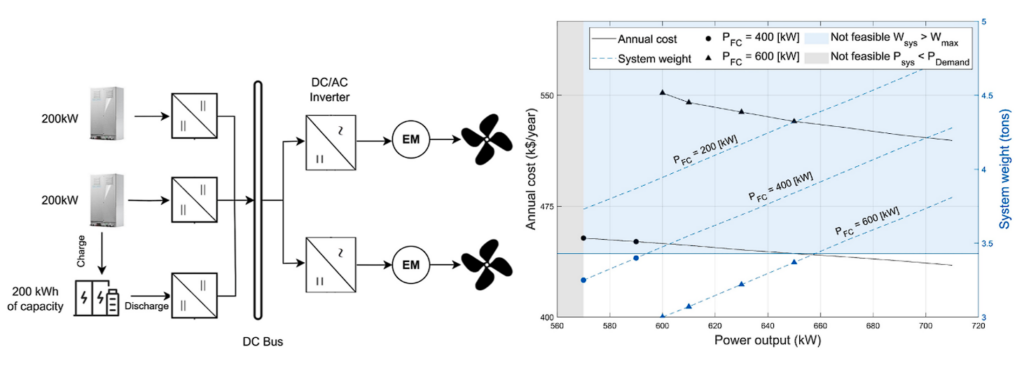
[10] “Feasibility analysis of hydrogen fuel cell-powered passenger vessels: a multi-criteria and MILP-based analysis for sustainable inland navigation”
Saadeldin M., Vasylyev A., Rivarolo M., Sorce A.
Ocean Engineering, 2026 (349)
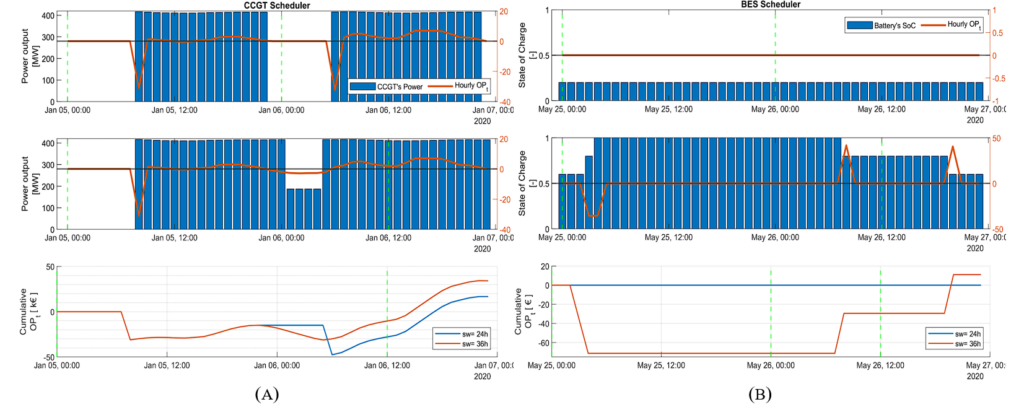
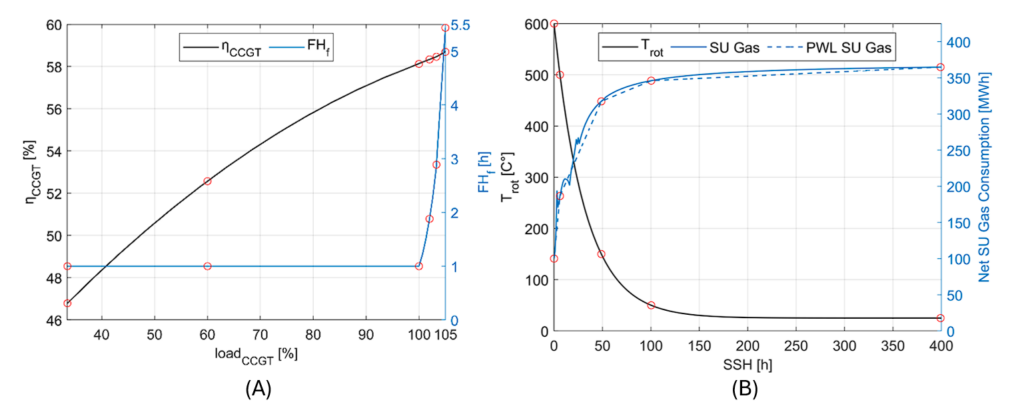
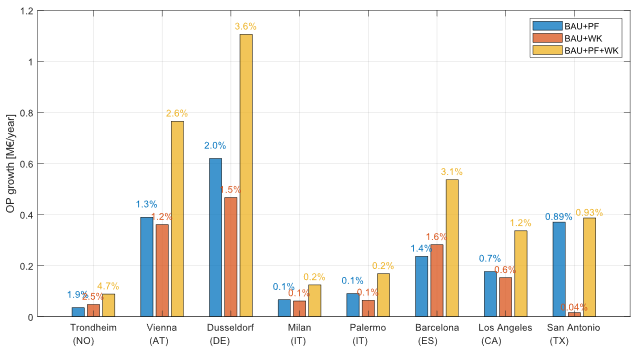
[11] “Economic potential of combined cycle flexibility: bottoming cycle hot standby mode and gas turbine peak firing in the European and US markets”
Vasylyev A., Dubey A., Sorce A.
Journal of Engineering for Gas Turbines and Power, 2027
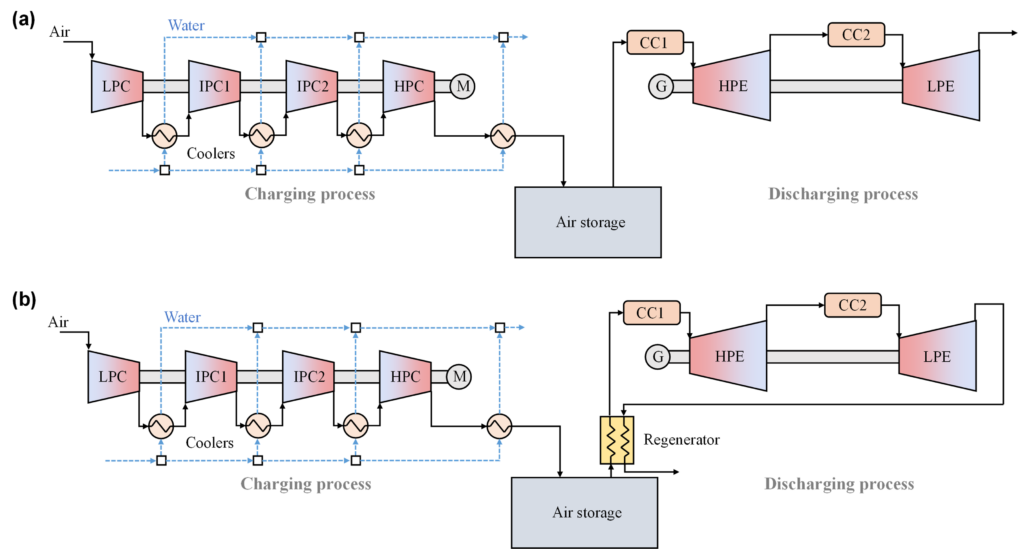
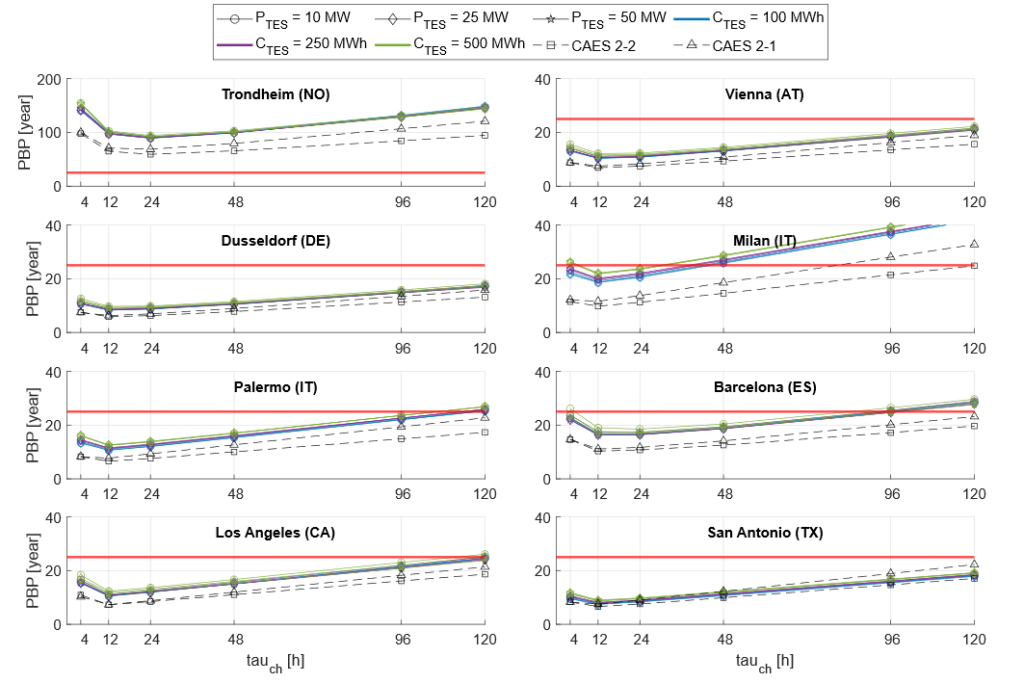
[12] “Comparative performance and operating strategies of electric heating-assisted compressed air energy storage”
Kim H., Vasylyev A., Sorce A.
Journal of Engineering for Gas Turbines and Power, 2027